

In one of our previous posts, we discussed accounting for tokens issued by DAOs. To sum it up, tokens that are issued but not yet sold to the public should not be counted as assets because the volume of tokens held by the DAO treasury can significantly impact the token price reducing the meaningfulness of any information about the value of such tokens hold in the DAO Treasury. Gitcoin DAO is a prime example of this issue. In fact, in July 2022, 99% of its balance sheet consisted of Gitcoin tokens that are equivalent to authorized, unissued shares of a canonical organization.
A great example of this issue is Gitcoin DAO.
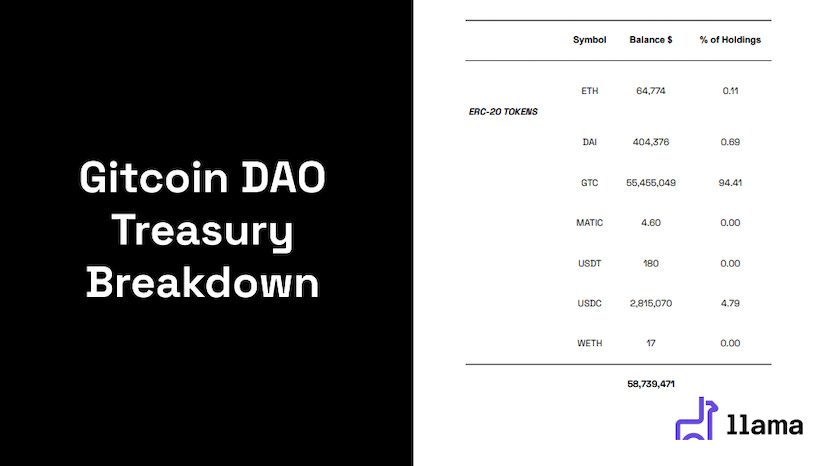
94% of Gitcoin DAO balance sheet for August 2022 (most recent reporting available on the website of Gitcoin DAO) consisted of Gitcoin tokens that arguably are equivalent to authorized unissued shares of a canonical organization. There is rarely something prevents DAO from proposing new token mints. However, if these tokens don't have an active market that can absorb them, the market value of DAO tokens held in its own treasury may be misleading. Gitcoin DAO holds 88% of the total token supply in its treasury. I doubt that there is any market maker, liquidity pool, or exchange will be able to absorb 8x times increase in the volume of Gitcoin tokens in circulation without fully crashing the current level of prices on this token.
Nevertheless, Gitcoin DAO was created to finance public goods and services, so the value of its assets in the treasury may not be as important to the public. But this information is relevant because it allows users to see how much financing is required from the public to enable the creation of public goods and how much more additional resources the DAO needs to achieve its current plans and goals.
It would be fascinating to see how Gitcoin DAO's annual financial report looks like. After all, this is a unique case that can give insights into how DAOs can provide public goods and services while managing their finances responsibly.